
We are drowning in manual, repetitive work
Sound familiar?
- The hours disappear into routine every week
- Capable people do dull keyboard work
- Every new order demands more manual work

What this is about
It is rarely one big job. It is a hundred small ones
Each single task is too small to make it onto anyone's list. Manual routine work means what is done by hand, repeats every week and grows as the volume grows. Together it adds up to hours nobody has budgeted for.
- Why it ends up by hand
The information already exists in one system and simply has to be used somewhere else. Nobody has asked the systems to share it, so a person moves it, and every new order costs new hands.
- What the routine costs
The hours come out of customers and sales, and they come out of people who were hired to do something else. If you own the company yourself, these tasks land on top of everything that cannot wait until tomorrow.
- When the job changes every time
The job looks different from one time to the next for some of you. Then there is no routine to remove yet, and the automation costs more than the work.
A job is a bundle of tasks, and automation takes some of them, not the position.
Before we build anything
Hours are easy to feel and hard to count. We count them first.
The safe route
How we start, without you committing to anything big
- Step 1
Clarification meeting
A short conversation about where there is most to gain, and what it is worth. Free and without obligation.
- Step 2
Digital pre-project
We map out which routine tasks cost the most hours, and which of them are predictable enough to automate. You get a concrete recommendation with numbers behind it, and if it does not pay off, we say so. A fixed price that is offset against the first stage if you build on within 90 days.
- Step 3
Development in stages
We build in stages at a fixed price and take whatever pays for itself fastest first. After that, operation and support from the people who know the solution.
You can stop after each step without the effort being wasted.
What the solution usually consists of
We decide exactly what is needed together
Exactly what it takes, we work out together in the pre-project. A challenge like this one we usually solve with one or more of these approaches.
- Digital advice Strategic use of technology and support for your processes, so you get overview, control and better insight into your own data. It is part of most projects.
- Automation Letting the system take over the predictable, repeated steps so your people do not have to.
And what we do not do: Anything that takes a judgement, a negotiation or a phone call stays with your people. If the task only comes up rarely, automating it costs more than doing it, and then we say so.
Ready to talk to us?
Contact usA concrete example
This is what it looks like once it is solved
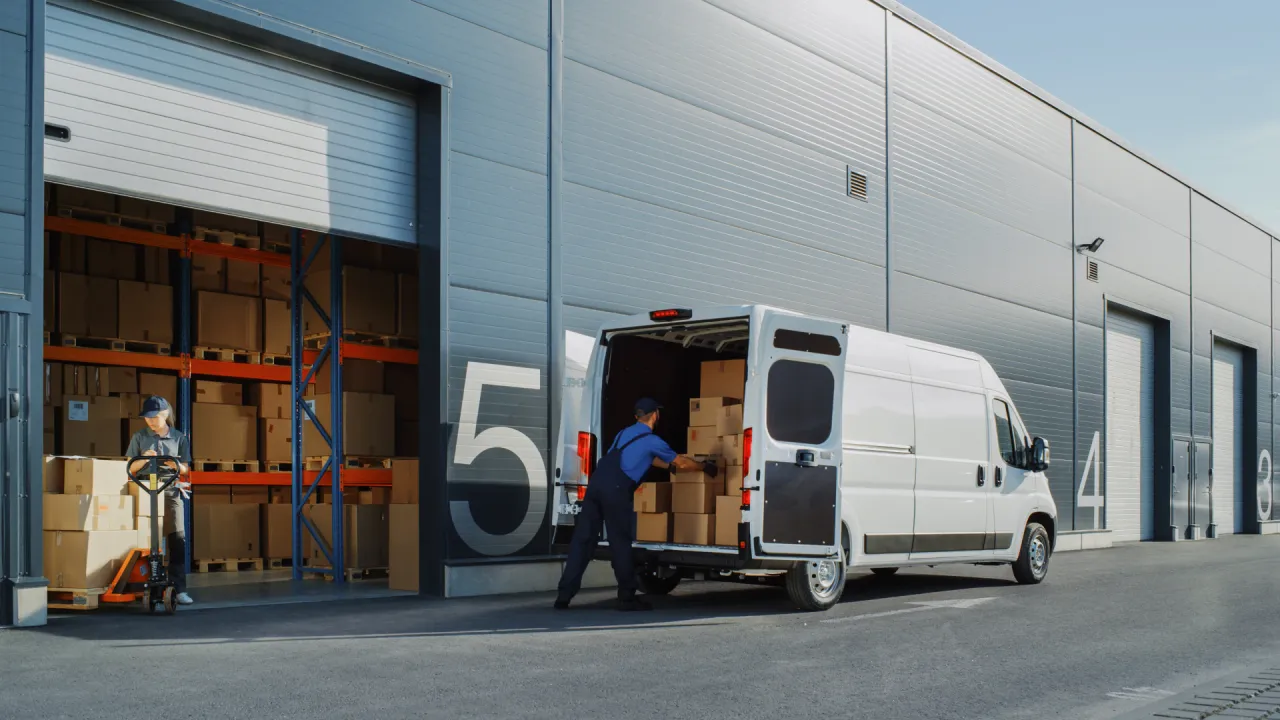

Digital driver app streamlines Bygma's delivery processes
Frequently asked questions
What cannot be automated?
What happens to the people whose work gets automated?
Do we have to change systems to get things automated?
What does it cost, and how do we get started?
How long before we feel an effect?
What if it does not work, can we stop along the way?
Do we own the code and our data afterwards?
You are a smaller agency, do you fit our size?
Related challenges
These often go together
Solve one and these tend to turn up alongside it. See how we approach them.
- Time & waste We type the same data into several places Manual double entry between systems costs time and creates errors. See what can be done
- Customers & sales We cannot answer every customer and quote in time Response time loses orders, and quotes pile up at peak. See what can be done
- Growth & scaling We cannot grow without hiring more people More volume takes more hands, because the work is not carried by the system. See what can be done
We work with many different challenges, and they hang together more often than you would think.
See all challenges
Do you want the routine out of your hands?
- A reply from one of us by the next business day.
- A no-obligation review of your situation.
- Clarity on which options are relevant to you.
- A concrete plan, if you choose to go ahead.
Thanks for the feedback.